
 0903 173 191
So I was fiddling with a tiny NFC card on my kitchen counter and I had that weird little thrill. Wow! The card sat there like a bank card but it held a private key, offline and sealed. Initially I thought a hardware wallet had to be a bulky dongle with cables, but then I realized somethin’ else was possible—thin, tactile, and stupidly simple. On one hand that simplicity is a relief; on the other hand it raises questions about trust and loss.
Whoa! Holding it feels oddly reassuring. Medium-sized devices are fine, but this is pocket-sized cold storage that behaves like cash. My instinct said “this will change how some people think about custody” and that turned out to be true for friends who hate screens. Actually, wait—let me rephrase that: for people who don’t like handling apps or cables, an NFC card is a real UX win. Though, I’ll be honest, it bugs me when companies wrap security in mystique.
Here’s the thing. Short-lived hype aside, hardware-backed cards solve a particular problem really well: secure key containment without constant connectivity. Seriously? Yes. You tap your phone, the card signs transactions, and the private key never leaves the chip. That model reduces attack surface significantly, though it doesn’t erase all risk. You still need to plan for physical loss and backup strategy.
Okay, so check this out—there’s an app ecosystem that pairs to these cards and it feels like using a ledger without the fuss. Hmm… My first impressions were rough (the app UI has little quirks), but the core flow—pair, sign, confirm—is elegant. On the technical side, the card implements secure element protections and tamper resistance that matter. On the human side, non-tech family members can grasp the idea faster than with seed phrase shuffles. That combination is valuable for real-world adoption.
Short pause. Really? Some people worry that a single card is a single point of failure. That’s fair. You can mitigate that with duplicates or multi-card strategies; the trade-off is cost and bleeding complexity. On the flip side, you avoid exposure from phones and computers because the key is literally offline. If you like analog metaphors, think safe deposit box vs. online bank transfer.
When I advise folks I often recommend a three-layer approach: the card as primary cold signer, a secure backup plan, and disciplined physical security. Wow! The backup can be another card stored separately or a traditional seed backup if the system supports it. Initially I thought two cards in different locations was overkill, but then a neighbor’s flooding incident convinced me otherwise. Also, some cards allow multi-signature workflows which distribute trust and reduce single-point loss—useful for small orgs or couples.
Now, about the app: a mobile companion that talks NFC, asks you to confirm details, and shows transaction summaries is critical. Hmm… My gut said “show less, confirm more” and the best apps follow that pattern. Longer confirmations with clear addresses and amounts cut down mistakes, though some UIs still hide details (that part bugs me). The ideal flow prints or displays friendly names, checks contract calls, and forces a tactile approval—you can’t fake that feel.
I’ll be direct: no wallet is perfect. Seriously? Reality check—attacks evolve, supply chains get messy, and humans lose things. On one hand the hardware card reduces software attack vectors; on the other hand physical cloning, counterfeit devices, or social-engineered losses are real threats. Initially I thought the secure element meant “problem solved”, but then I remembered supply-chain compromise stories. So redundancy and provenance checks matter.
One practical tip: verify your card and app version out of the box. Wow! Scan for firmware validation within the app, check signatures if you can, and only buy from trusted vendors or authorized sellers. If you see a sticker that’s super sketch or packaging that’s been tampered with, send it back. I’m biased, but buying hardware from sketchy marketplaces is asking for trouble (and I say that as someone who loves a good bargain).
Another real-world wrinkle—backup UX. Short sentence. The way you back up should match your risk model. If you store a duplicate card in a fireproof safe, that reduces the need for memorized passphrases, but it concentrates risk if the safe is compromised. Multi-location backups are safer but more friction. If you add an optional passphrase to the card you get plausible deniability and extra security, though recovery becomes more complex and human-error prone.
Check this: I tested recovery scenarios with friends (a little experiment, messy but instructive). Wow! Some recovered fine; others cursed their lack of planning. The two common failure modes were: losing the only card, and losing a passphrase. Neither is glamorous. On the technical side, the card’s recovery depends on whether it uses a standard seed derivation or a proprietary method; standards are easier for third-party recovery but may expose predictability. So read the docs—yes, really read them.
Okay, a quick nod to privacy and convenience trade-offs. Hmm… NFC means you need a phone with NFC, which is mostly fine in the US but can be limiting in some regions or older devices. Tapping is fast and low friction, and the app can cache view-only wallets for convenience. If you’re paranoid, you can use an air-gapped phone dedicated to signing—overkill for many but right for a handful. On the flip side, if you lose your phone and your card is everywhere, someone could attempt to sign transactions if they also have your confirmation method, so lock screens and PINs matter.
One of the best bits about this approach is simple education. Wow! You can show non-technical friends how a cold card works without invoking mnemonic scrolls or hex strings. People get “tap, approve, done” much faster. That human comprehension reduces risky behaviors like screenshotting keys or emailing backups. Still, teach them the hard parts: keep cards separate, record recovery steps, and never share private keys.
Where to start and one recommendation
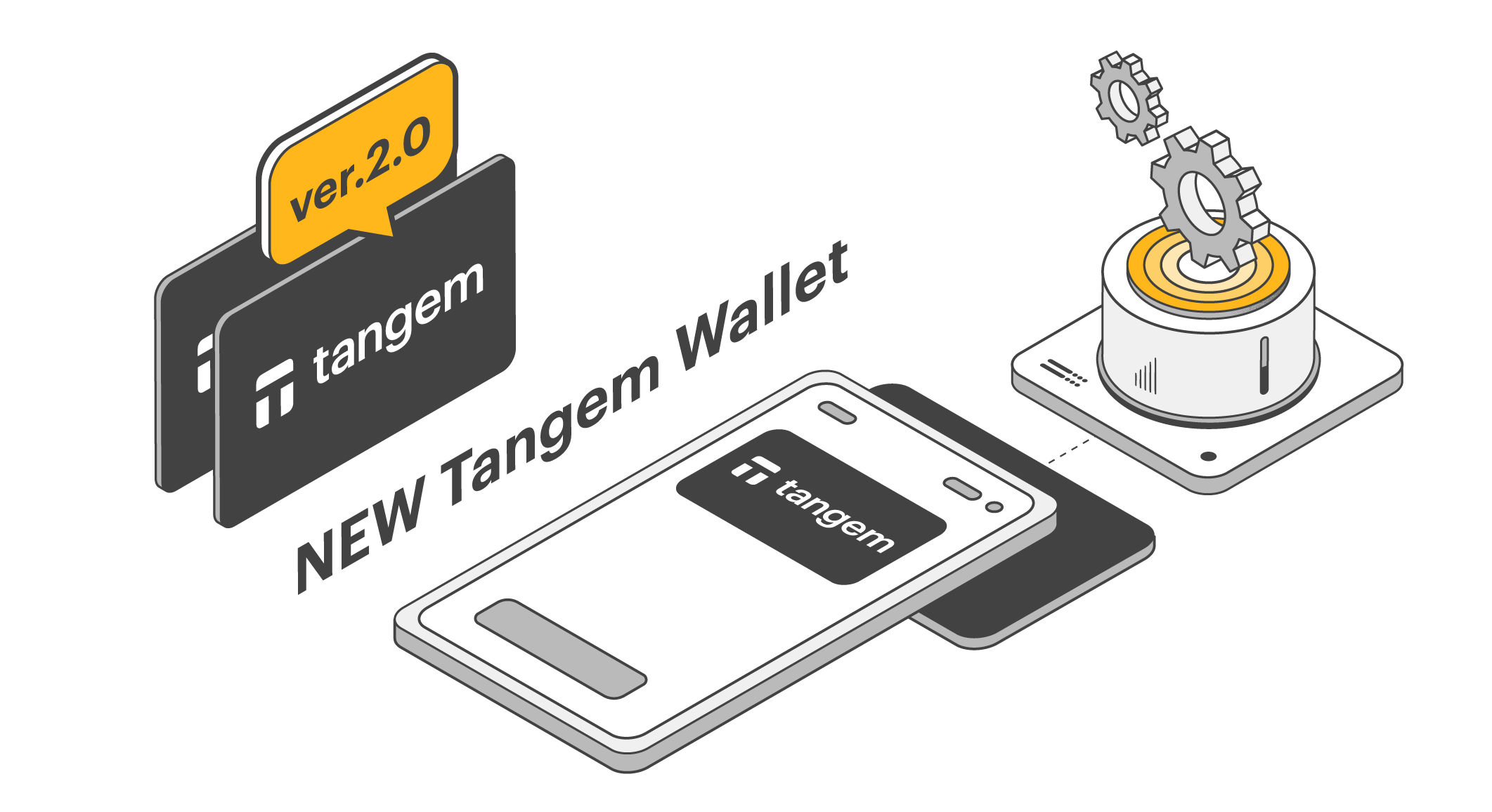
If you want to try a practical, low-fuss card-based option, check this tangem wallet and evaluate how it fits your workflow. Wow! Try pairing it with a spare phone and practice signing tiny transactions first. My instinct said “test the process end-to-end” and that saved a friend from a near-mistake. Also, think about storage: do you have a safe, safe deposit box, or trusted people who can hold a backup? The answers should shape your backup and passphrase choices.
I’ll be blunt: if you’re a total beginner, buy one card, practice, and don’t move large amounts until you’re confident. Hmm… Start with small transfers and a few dry runs of recovery. Test theft scenarios mentally: if the card is stolen, what happens? If the home burns, do you still have access? These uncomfortable questions are the ones that make cold storage actually cold. And yeah, the word “cold” here is literal in behavior: offline, resistant to remote compromise.
One more note on trust and vendor practices. Wow! Open firmware, audited designs, and transparent manufacturing processes matter. If a vendor refuses to publish security audits or hides firmware signing keys, that’s a red flag. On the other hand, a company that publishes third-party audits and clear recovery docs is doing the right thing even if the app UX isn’t flashy. I prefer transparency over polish, though I admit a slick app helps adoption.
FAQ
Q: Can I use an NFC card as my only backup?
A: You can, but it’s risky to rely on a single physical item. Wow! Consider duplicates in separate locations or combine a card with an independent seed backup if supported. The right choice depends on how much you hold and how comfortable you are with physical security trade-offs.
Q: What happens if the card fails or is damaged?
A: Failure modes depend on the card’s architecture. Hmm… If it was issued with a standard seed you can restore from that seed to another device; if it’s proprietary you may need a vendor-specific recovery method. Either way, test recovery early and often to avoid surprises.
Q: Is adding a passphrase worth it?
A: Often yes for extra security, but it increases the chance of user error. Wow! If you use a passphrase, record it securely and consider who can safely store parts of it (no single-person single-point failures). Balance convenience and risk in a way that matches your tolerance.
